

XRP leverage collapses 78%, but $1.4B in ETF money still won’t leave because of Ripple’s expanding footprint
XRP’s price performance is stripping out fast-money participation while leaving behind a more durable class of holders. According to CryptoSlate's data, XRP is trading at $1.37 as of press time, down 55% within the last six months. This comes as data from
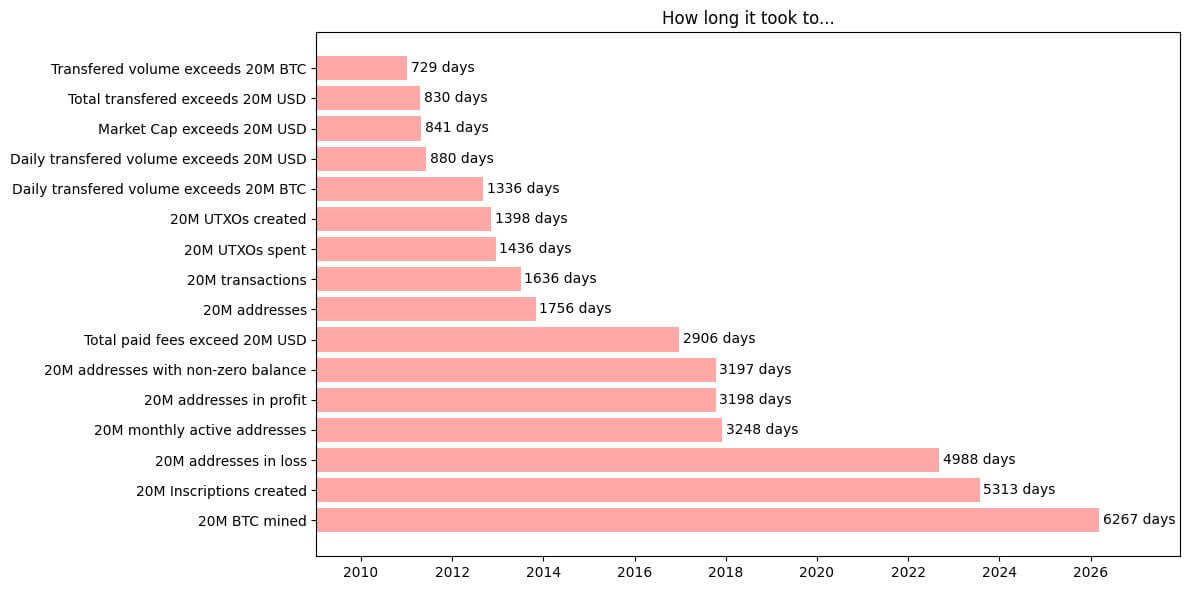
95% of all Bitcoin is now mined — and it’s raising a new question about security
Bitcoin's circulating supply surpassed 20 million coins on March 9, a milestone that places 95% of all BTC that will ever exist into the hands of holders and leaves fewer than 1 million coins still to be mined before the

Cardano spent years looking slow. Now that may help it win in crypto’s rule-heavy era
Cardano's recent updates look unremarkable when read one by one: a ratified long-term vision, a stricter constitution, better governance indexing, a formal-verification push, and new treasury guardrails. However, they point to a larger shift when taken together. At the same time, Europe's

People traded $25B of crypto stock tokens that do not make them stockholders
Nasdaq's latest tokenization push is another attempt to bring stocks onto blockchain rails. Yet the real significance lies more in the structure. Rather than endorsing the offshore model of stock wrappers and synthetic equity exposure, Nasdaq is trying to build a
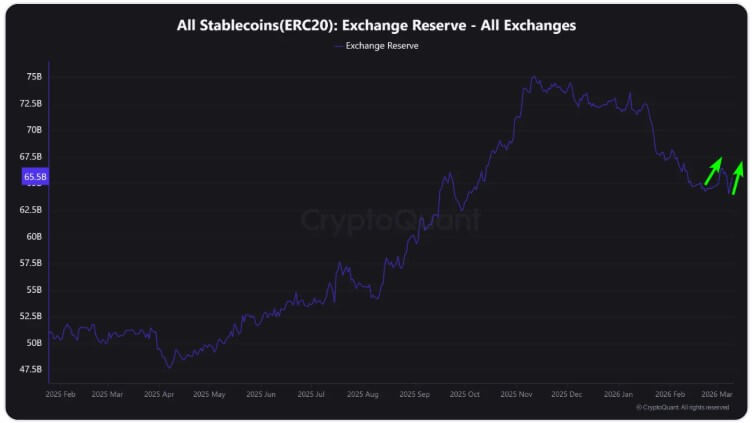
Trump says the Iran conflict is “very complete” — oil plunges and Bitcoin snaps back above $70k
Bitcoin climbed back above $70,000 Tuesday as crude oil staged a sharp reversal, easing near-term fears of accelerating inflation and giving digital asset markets room to recover. According to CryptoSlate's data, the largest digital currency jumped over 5% in the last
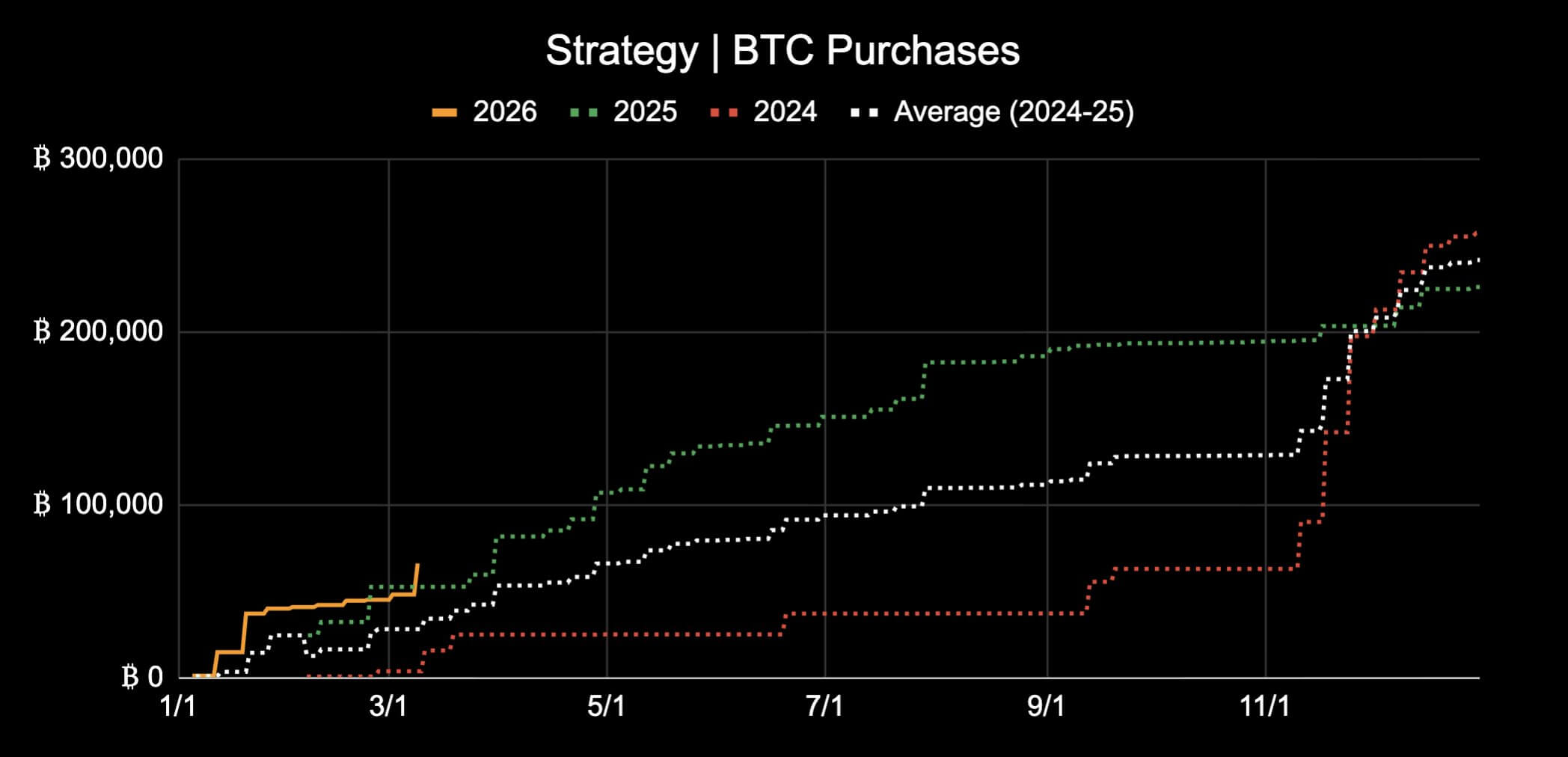
Strategy is paying investors huge yields to keep buying Bitcoin amid 66,231 BTC spending spree
Strategy has found a new gear in its Bitcoin accumulation engine, and its STRC preferred stock equity is doing a growing share of the driving. The company, formerly known as MicroStrategy, held 738,731 BTC as of March 8, up from 672,500

Bitcoin traders focus on $61k as oil surges past $115 and weak jobs data rattle markets
Bitcoin slid below $70,000 this weekend after a weak US jobs report, and another jump in oil prices revived stagflation concerns and pushed investors out of risk assets. The largest cryptocurrency fell as low as $65,660, according to CryptoSlate’s data, less
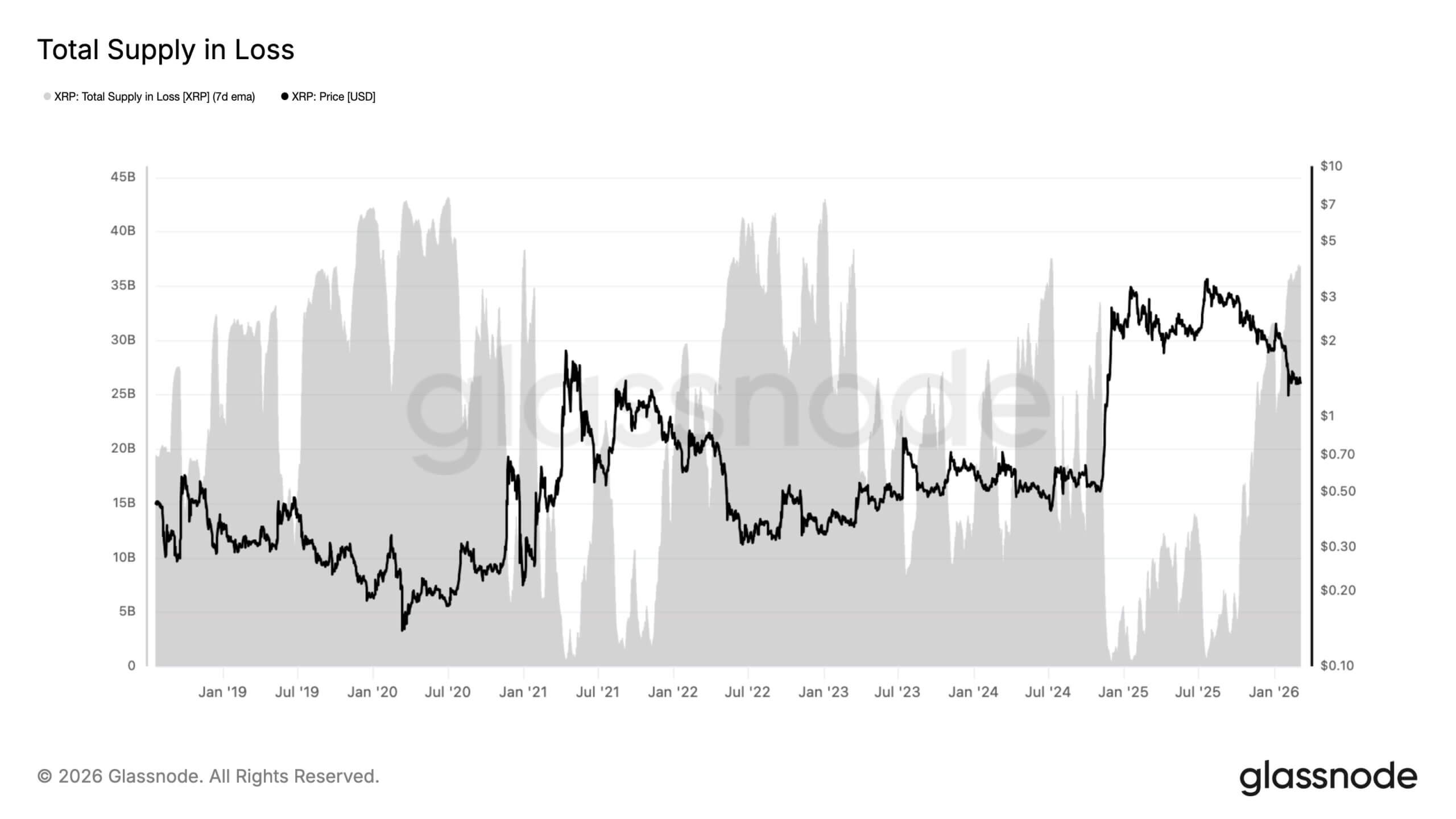
XRP is bleeding with over $50 billion in unrealized losses as 60% of supply goes underwater
XRP remains under significant pressure as the latest oil shock and broader market unease push investors toward a more defensive stance. The Ripple-linked digital asset has fallen 26% this year to about $1.34 and is down 54% over the past six
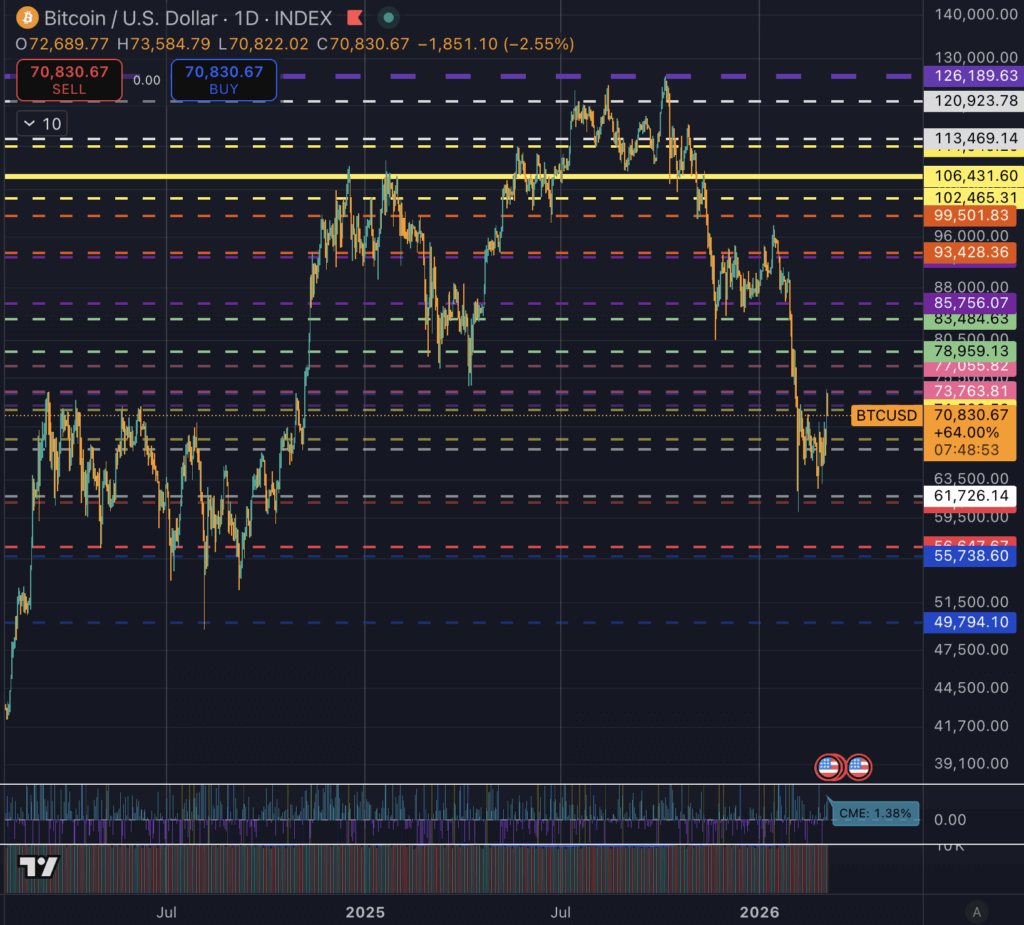
New Bitcoin indicator reveals we just avoided a major drop — but one level could decide the next breakout
Bitcoin spent the weekend mostly within a familiar price channel, then slipped lower before recovering as traders reacted to the developing impact of the Iran war. However, while real-world macro events now dictate Bitcoin's movements more than fundamentals or adoption levels,

Are US stablecoins just CBDCs in disguise? Look closely and the differences start to blur
America may reject the name “CBDC” while still building the conditions for CBDC-like control through private dollar infrastructure. Washington has ruled out a retail Federal Reserve digital dollar in legal form. At the same time, the stablecoin regime now taking shape

US Treasury signals regulated crypto privacy may have a future in the US
Treasury’s mixer language points to a new U.S. line on crypto privacy A new Treasury report says lawful users may use mixers for financial privacy on public blockchains. The language leaves Treasury’s money-laundering case intact, while opening room for privacy tools
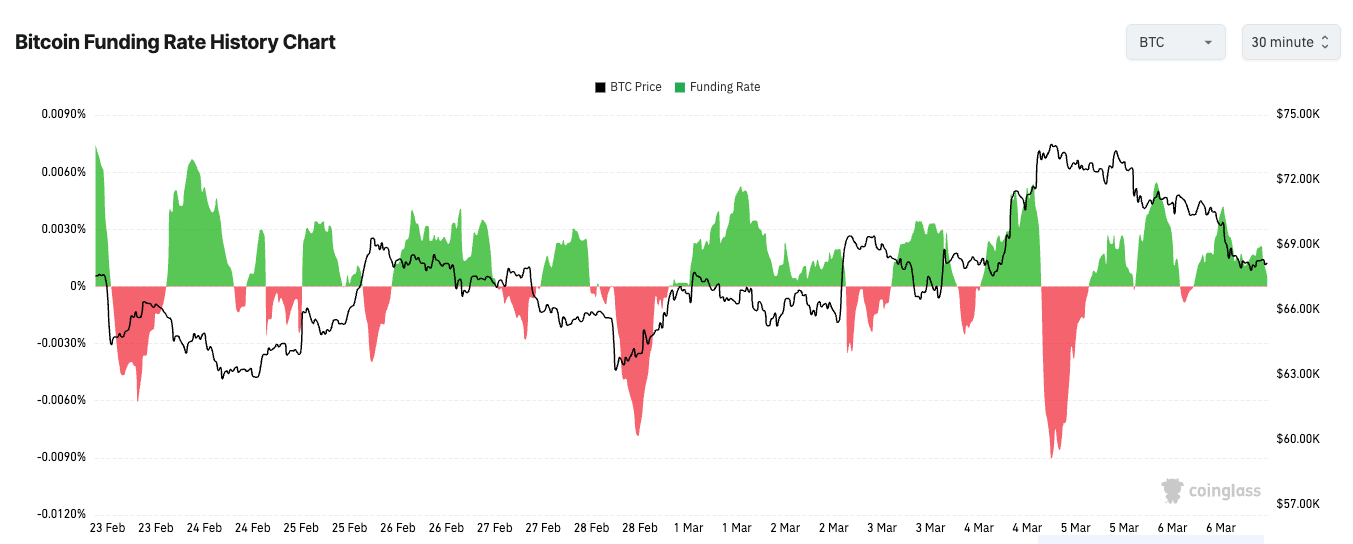
Bitcoin funding rates just flashed one of the bleakest signals in months before one macro number changed everything
Bitcoin's derivatives market gave us the best explanation of this week's macro stress. Funding rates turned sharply negative, open interest stayed elevated, and then the US jobs report landed. Put together, that showed a market leaning hard into downside hedges just

161,000 US jobs just disappeared after a revision as Bitcoin navigates increasingly messy macro data
US markets move in seconds when the jobs report hits. February payrolls fell by 92,000 jobs, the unemployment rate rose to 4.4%, and prior months were revised down by 69,000. Together, that's 161,000 fewer jobs than the numbers showed at the

SEC pressure on crypto giants fades as Trump-linked project draws $75M from Justin Sun
On Mar. 5, Justin Sun reached a $10 million settlement with the SEC to resolve a civil fraud case that alleged he generated $31 million through wash-trading-style transactions and undisclosed celebrity promotions. The settlement, which requires court approval and includes no
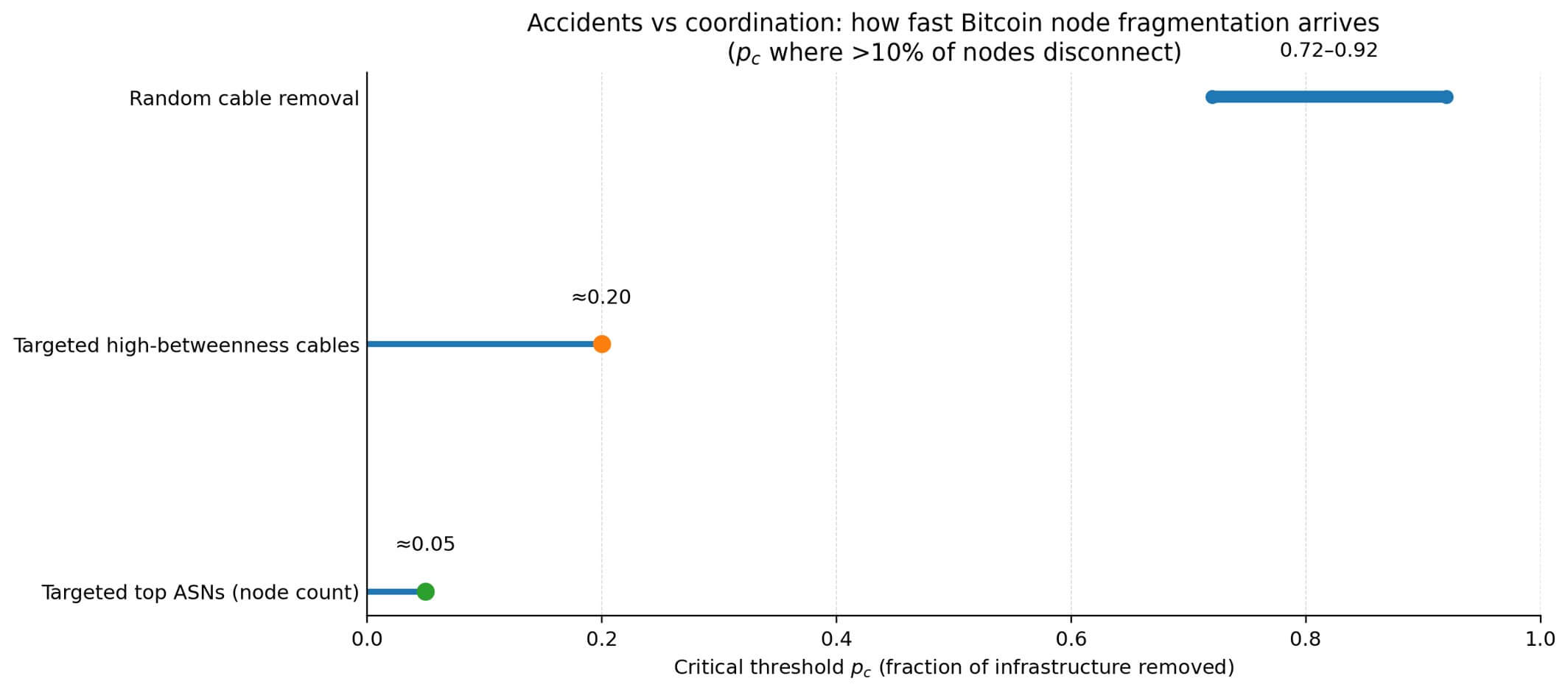
Seven internet cables were cut at once — Bitcoin barely noticed, but researchers found a real chokepoint
When seabed disturbances off Côte d'Ivoire severed seven submarine cables in March 2024, the regional internet impact earned an IODA severity score above 11,000. For Bitcoin, the global effect was negligible. The affected region hosted roughly five nodes, about 0.03% of
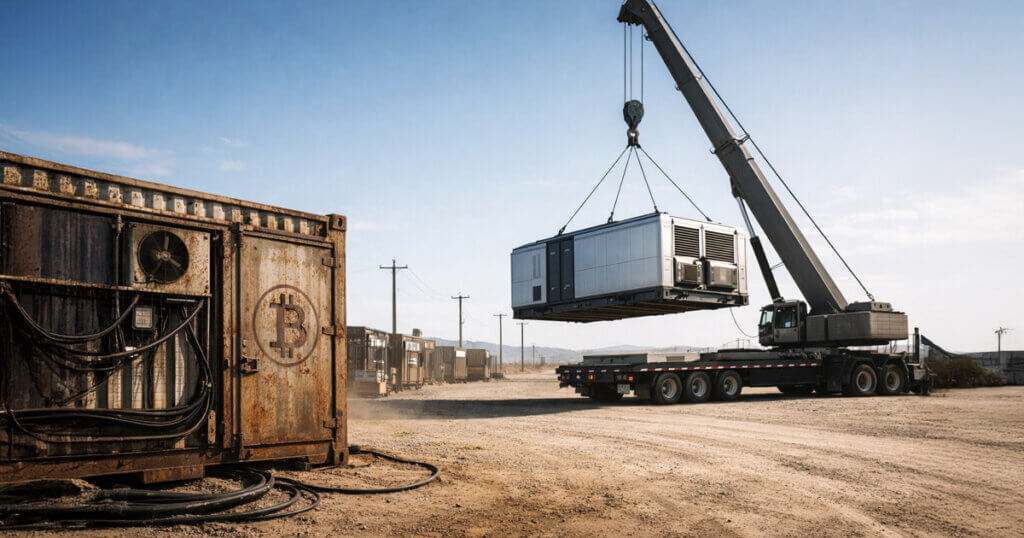
New model proves miners need Bitcoin above $74k to break even on power – but other costs push it over 6 figures
Riot case study shows US Bitcoin miners can clear power costs long before they clear full profit Bitcoin mining costs are often reduced to a single number: the “cost to mine one BTC.” In reality, that figure depends on what layer
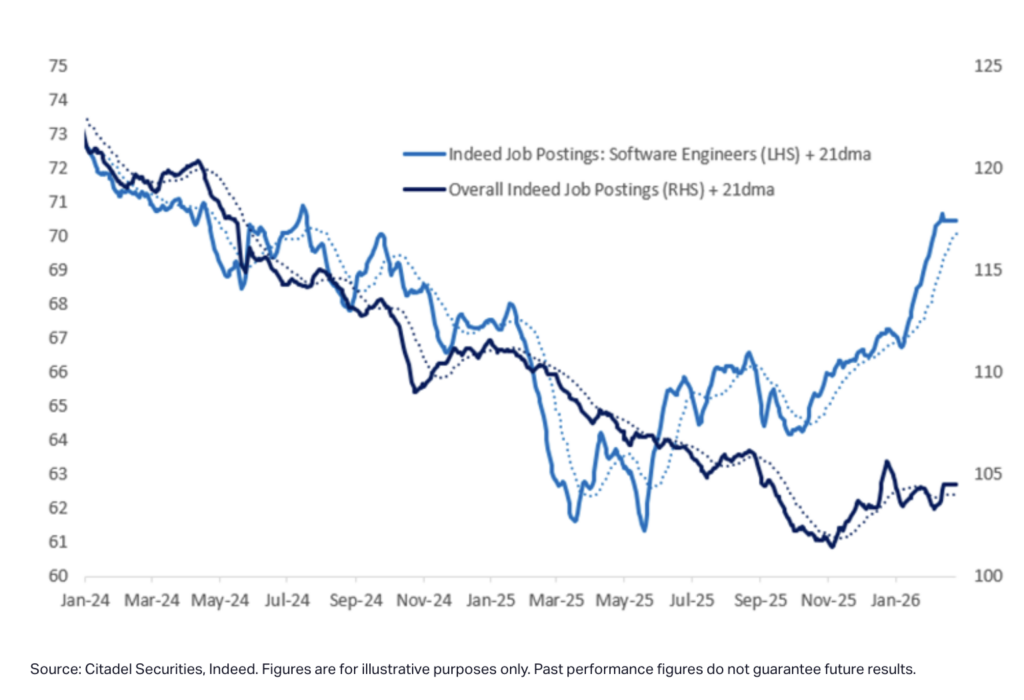
AI is boosting demand for developers — but quietly wiping out entry-level jobs
AI is raising demand for builders, not erasing them In February, a Citadel Securities analysis using Indeed data showed software-engineer job postings rising while overall job postings stayed weaker. That split does not mean AI is creating jobs across the whole economy.
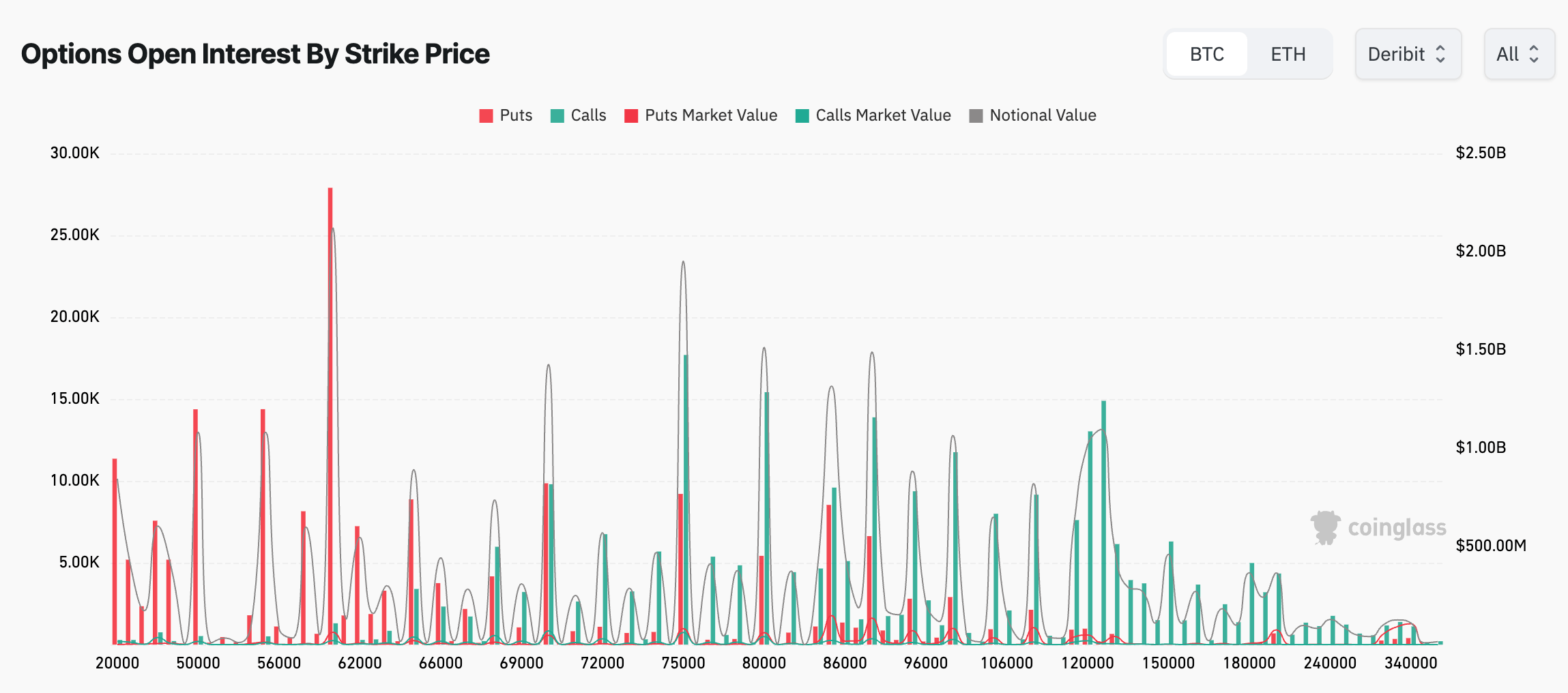
Why Bitcoin keeps snapping back to $70k — and the $13B options “magnet” behind it
Bitcoin’s rebound on March 4 looked odd if you only watched it through the usual “risk assets are breaking” lens. Oil was jumping, shipping insurers were repricing war risk, and traders were treating the Strait of Hormuz like a live